
Austin Housing Market: Plan a Smarter Small-House Project
Important: the Austin housing market should guide the project, not guess the project for you. Current market signals can help a homeowner decide whether an ADU, backyard home, addition, rental unit, or smaller build makes sense, but the right answer still depends on the address, rules, site work, utilities, and total scope.
Small House Solutions helps Austin homeowners turn market questions into a buildable plan: what the property can support, how the project should fit the neighborhood, and what should be confirmed before money goes into drawings or construction pricing.
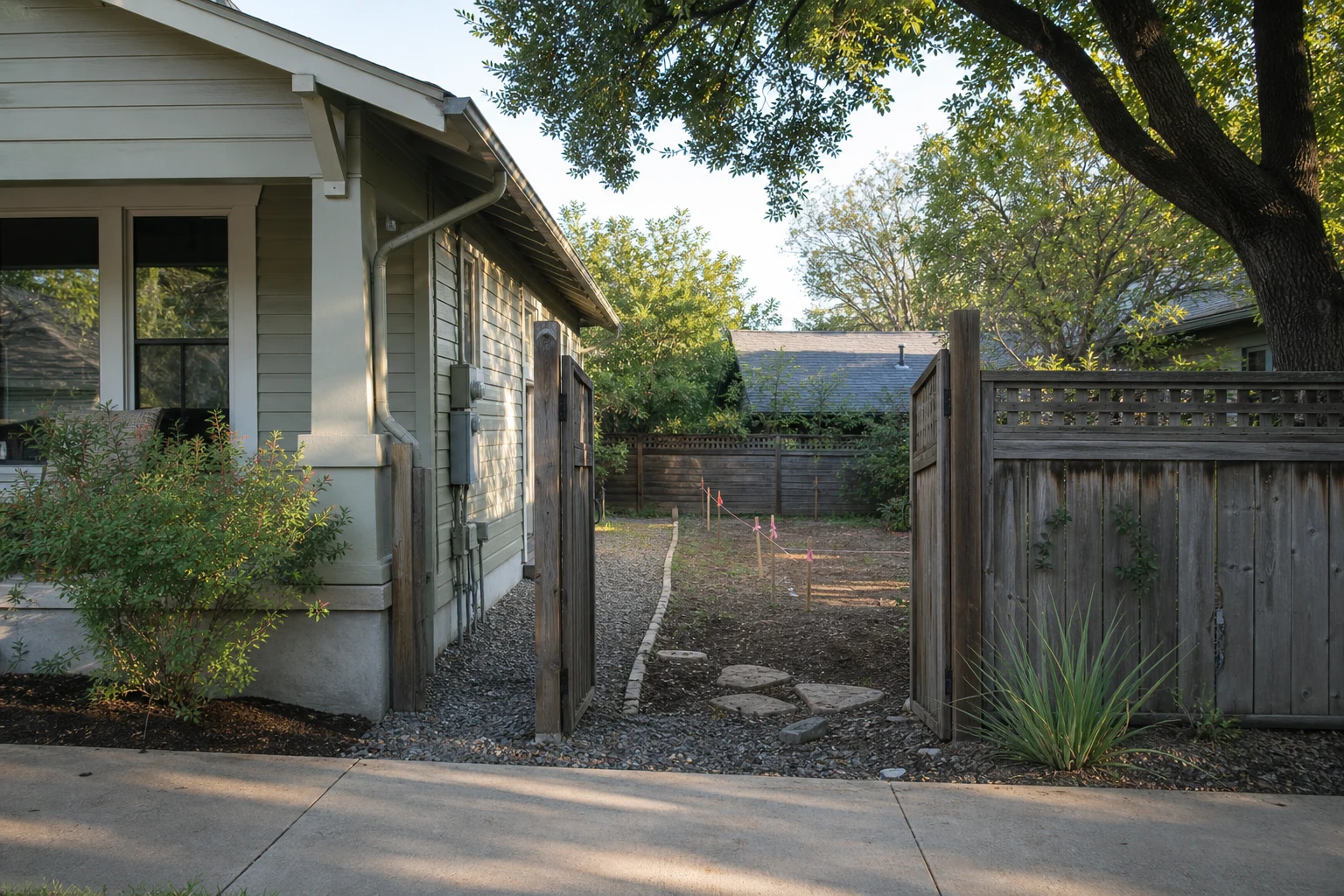
What the Austin Housing Market Means for Homeowners
The April 2026 Central Texas Housing Report from Unlock MLS showed the City of Austin with 980 residential homes sold, a median residential price of $573,750, 3,987 active listings, 1,219 pending sales, and 4.5 months of inventory. The Austin-Round Rock-San Marcos MSA reported a $440,000 median residential price and 4.7 months of inventory.
Those numbers suggest a market where buyers have more choice than the peak-growth years, but demand has not disappeared. Freddie Mac's May 28, 2026 survey showed the average 30-year fixed mortgage rate at 6.53%, so payment pressure still affects what buyers, renters, and homeowners can comfortably support.
This is not a forecast page. It is a planning service page for homeowners who need to use market context before choosing a build path, budget, rental strategy, or property improvement.
Six Market Checks Before You Design
Good market timing does not fix a poor property fit. These checks keep the project grounded in both the market and the lot.
Design Around the Market and the Property
Austin market data can show pressure points, but the property decides the build path. A backyard cottage, ADU, addition, garage conversion, or small standalone home can each affect privacy, rentability, appraisal logic, resale appeal, and construction risk differently.
That is why Small House Solutions starts by connecting the market signal to the actual site. The service conversation should identify what is confirmed, what is an allowance, and what still needs official review before the project is treated as financially or technically realistic.
- Use current market data as a decision input, not a prediction.
- Shape size, access, and privacy around the property and likely user.
- Price site work, utilities, permits, and finish level with the building.
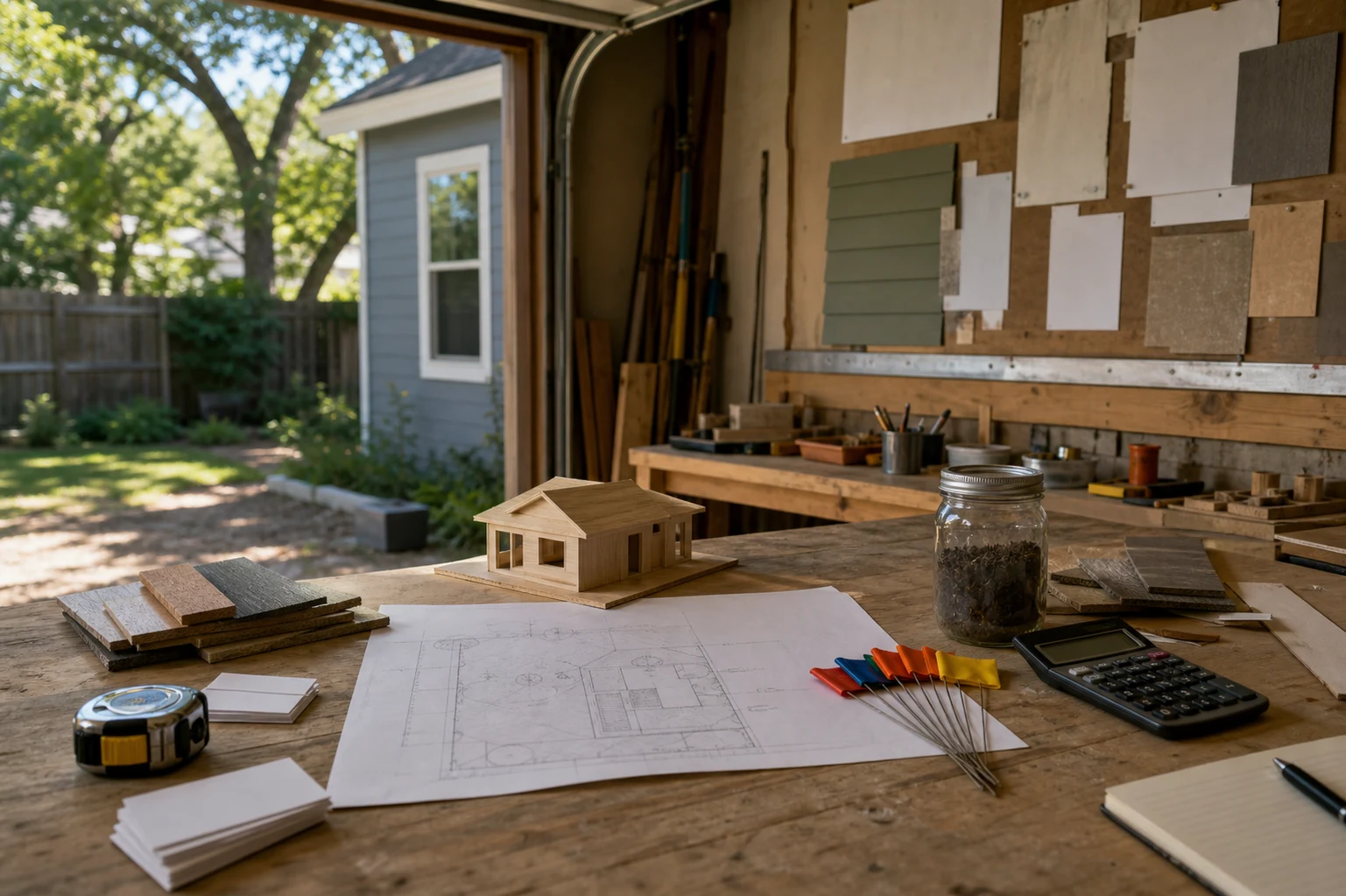
Austin Housing Market Service Process
Use this sequence before committing to plans, construction pricing, resale assumptions, or rental expectations.
Review current price, inventory, rent, rate, and buyer-demand signals without treating them as a guarantee.
Name whether the project is for family use, rent, resale, aging-in-place, office use, or added flexibility.
Compare ADU, HOME, zoning, lot size, private limits, and permit review paths before picking plans.
Locate access, utilities, drainage, trees, outdoor privacy, storage, staging, and buildable area.
Include drawings, permitting, site work, utilities, selections, inspections, and contingency with the building.
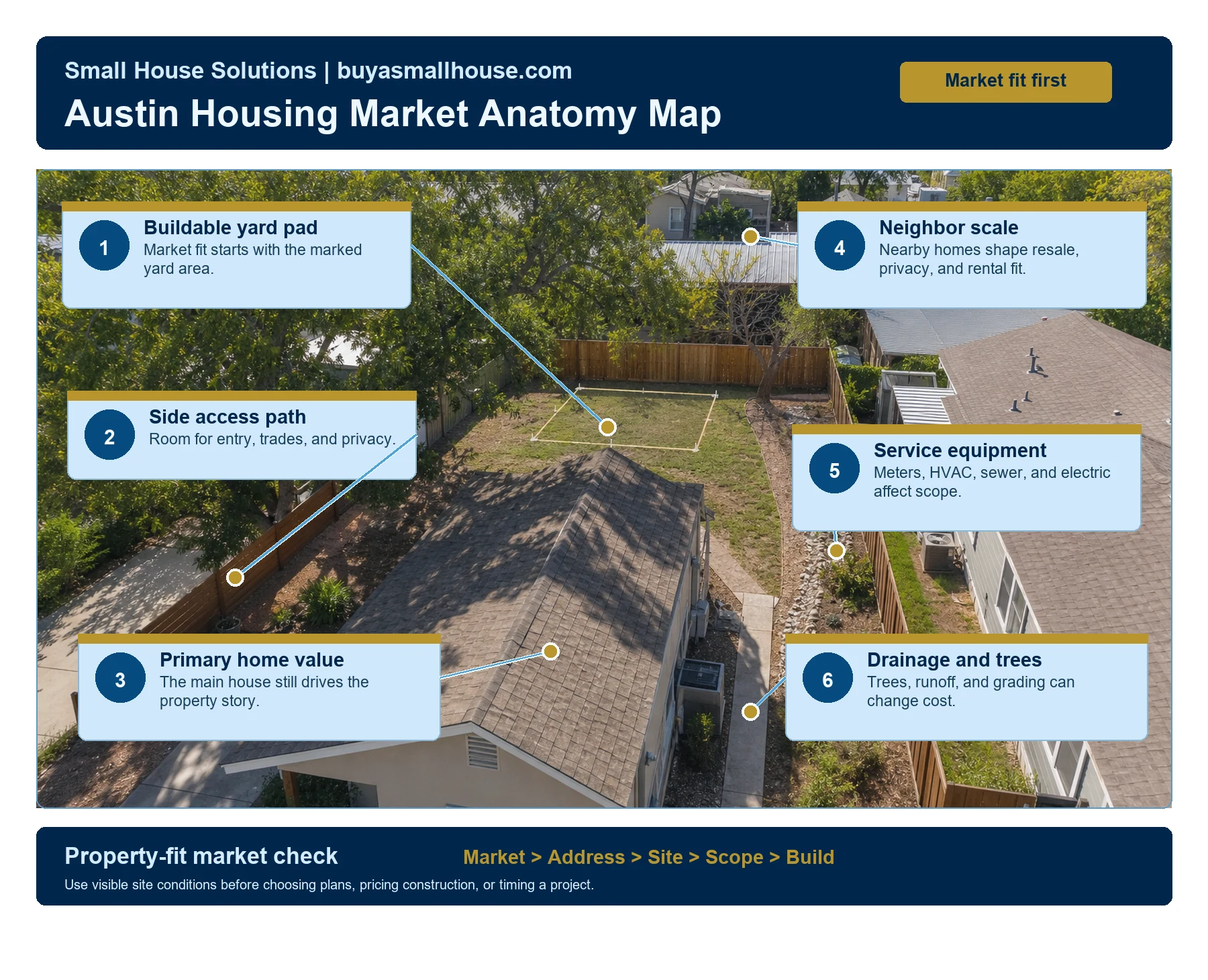
Austin Housing Market Anatomy Map
The anatomy map below shows how market signals should connect to visible property conditions before a small-house project becomes a plan set or fixed price.
Decision Drivers That Change the Market Answer
The same market can support different choices depending on the property, timing, and intended use.
| Driver | Why it matters | Decision to make early |
|---|---|---|
| Price trend | A softer or flatter price environment changes how much room the project has to absorb construction cost. | Compare realistic finished value to full project cost. |
| Inventory | More buyer choice means design, condition, and function matter more. | Build something the next buyer or user can understand quickly. |
| Mortgage rates | Payment pressure can affect resale demand and rental affordability. | Keep monthly payment and rent assumptions conservative. |
| Rental demand | Rental income depends on use, privacy, access, utility setup, and local rules. | Confirm the rental/use case before designing the unit. |
| Site constraints | Trees, drainage, utilities, easements, and access can change cost quickly. | Map the site before treating the building price as the project price. |
| Permit path | ADU, HOME, addition, and small-house paths can have different review needs. | Choose the review path before buying a plan. |
How Small House Solutions Helps
Small House Solutions helps homeowners connect the Austin housing market to real design-build decisions. The goal is to move from broad market headlines into a property-specific path that can actually be priced, permitted, and built.
What To Have Ready Before You Contact Us
A useful Austin housing market conversation starts with the address and the real project goal. Bring what you have, even if it is incomplete, so the next step can separate market assumptions from property facts.
The contact path is simple: start with the address and goal, then use the first conversation to decide whether the project should move into feasibility, design, pricing, or a different path.
Austin Housing Market FAQ
What does the Austin housing market mean for a small-house project?
It means the project should be tested against resale value, rental demand, mortgage-rate pressure, construction cost, and the actual permit path before plans or pricing are chosen.
Is the Austin housing market a buyer's market or seller's market right now?
The April 2026 data shows more room for negotiation than the peak-growth years, but it is still address-specific. City of Austin inventory was 4.5 months, pending sales were up, and average close-to-list price stayed below list price.
Should I build an ADU because Austin home prices are high?
Not automatically. An ADU or small house should be checked against site limits, rent assumptions, utility work, privacy, permit review, and construction cost before treating it as an investment decision.
Can Small House Solutions help me use market data before building?
Yes. Small House Solutions can help turn market signals into a property-specific feasibility conversation for ADUs, backyard homes, small houses, additions, and scope planning.
What should I send before a market-fit conversation?
Send the property address, the project goal, any existing survey or site plan, photos of the yard or structure, known private restrictions, and whether the project is for family use, rental flexibility, resale preparation, or long-term living.
Do market reports replace an appraisal or real estate advice?
No. Market reports help frame the decision, but they do not replace an appraisal, brokerage advice, lending advice, or official city review.
What should I check before pricing a project in Austin?
Check zoning, HOME or ADU path, lot size, utility route, trees, drainage, private restrictions, rental/use case, likely soft costs, and how the finished project should support the property's market position.
Official Sources to Verify
Housing data, rates, and local rules change. Use current sources before final design, lending, appraisal, or permit decisions.
Use the market before you price the project.
Bring the address, the use case, and the housing goal. Small House Solutions can help turn Austin housing market signals into a realistic small-house plan.