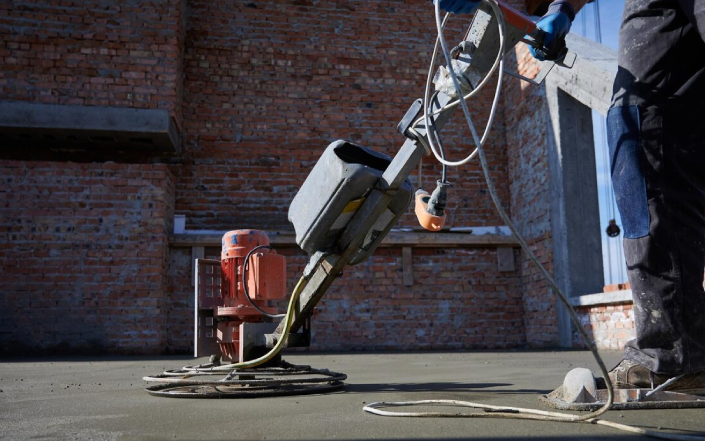
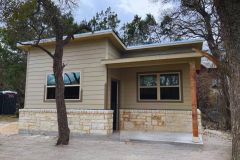
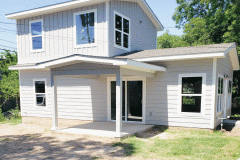
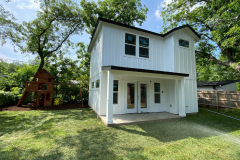
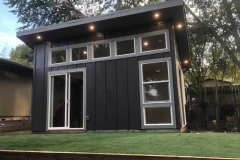
An existing slab can be a great head start, as long as you confirm it is worth building on.
Step 1: Inspect the slab
Walk the slab and check four things:
- Cracks: small hairline cracks are common, but large cracks, crumbling edges, or obvious movement are red flags.
- Flatness: a shed can tolerate minor variation, but major dips can lead to doors that stick and walls that lean.
- Standing water: if puddles collect on the slab after rain, you may have drainage problems to solve first.
- Square corners: out of square slabs make framing harder and can twist the roof line.
If you are unsure, mark the perimeter with chalk lines so you can see the shape clearly.
Step 2: Confirm size and layout
Measure the slab, then lay out your wall lines. A simple way to check for square is to compare diagonal measurements. If both diagonals match, your layout is square.
Plan the door opening early. Door placement affects how you frame corners and where you can put storage shelves later.
Step 3: Create a moisture break between wood and concrete
Concrete can hold and release moisture, even when it looks dry. That moisture can move into wood that sits directly on it. The EPA emphasizes that controlling moisture is the key to preventing mold growth in indoor environments, which applies to sheds too, especially if you ever store cardboard boxes, paint, or anything that can hold dampness (US EPA).
For a basic storage shed, a practical moisture break can include a sill sealer or another approved barrier under the bottom plate. The goal is simple: separate wood from concrete so moisture has a harder time moving into the framing.
Step 4: Anchor the bottom plate correctly
Anchoring is the most important “concrete specific” step. It keeps the shed from sliding, tipping, or lifting in strong wind.
There are several anchoring systems for concrete and masonry. The best one depends on your slab condition and your build plan. If you are not sure where to start, use a manufacturer reference that explains anchor types and installation considerations so you match the fastener to the job (Simpson Strong Tie).
A few practical tips that help DIY builders avoid frustration:
- Keep anchors away from slab edges to reduce the chance of cracking.
- Drill clean holes, then remove dust so anchors seat properly.
- Tighten hardware evenly so the bottom plate stays flat.
Step 5: Frame walls, stand them, and brace
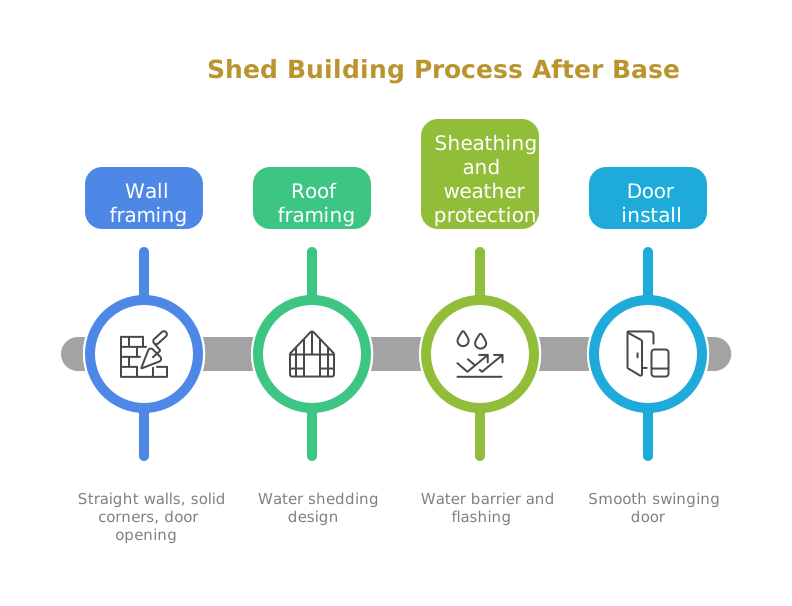
Build your wall frames on the slab when possible, then tilt them into place. Check each wall for plumb, then brace it before moving on. When the first wall is stable, the rest goes faster.
At this stage, go slow on layout. Straight walls and square corners make roof framing and sheathing much easier.