

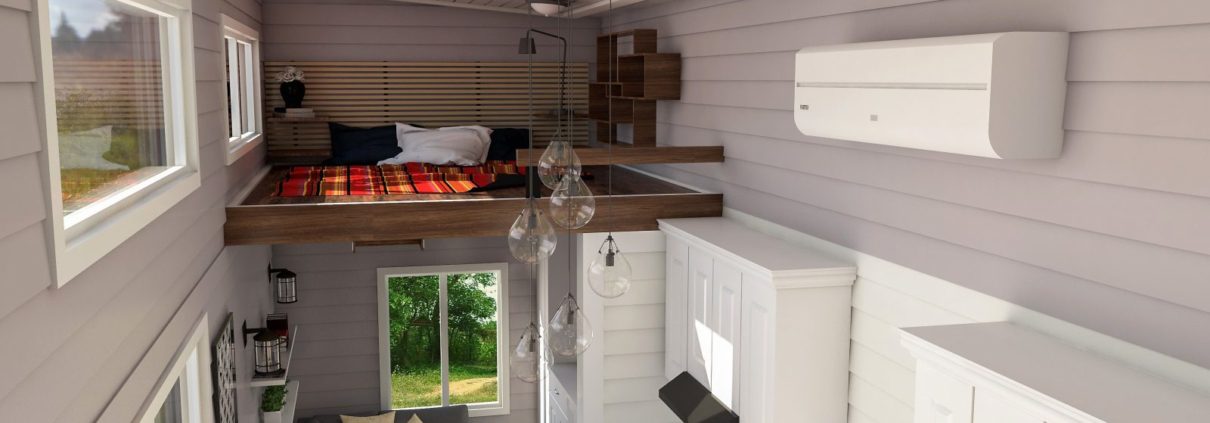
How Much Does A Tiny House Weigh
Another factor that is often overlooked is the weight of the structure. Especially for a tiny house trailer, how much everything weighs is a matter of more significant importance than you might have thought.

SERVING AUSTIN, SAN ANTONIO, HOUSTON
And Surrounding Areas
Small House Solutions Offers the Following Services at NO COST to You
Personalized solutions for your inquiries directly.
No-cost ZOOM consultation for in-depth discussions.
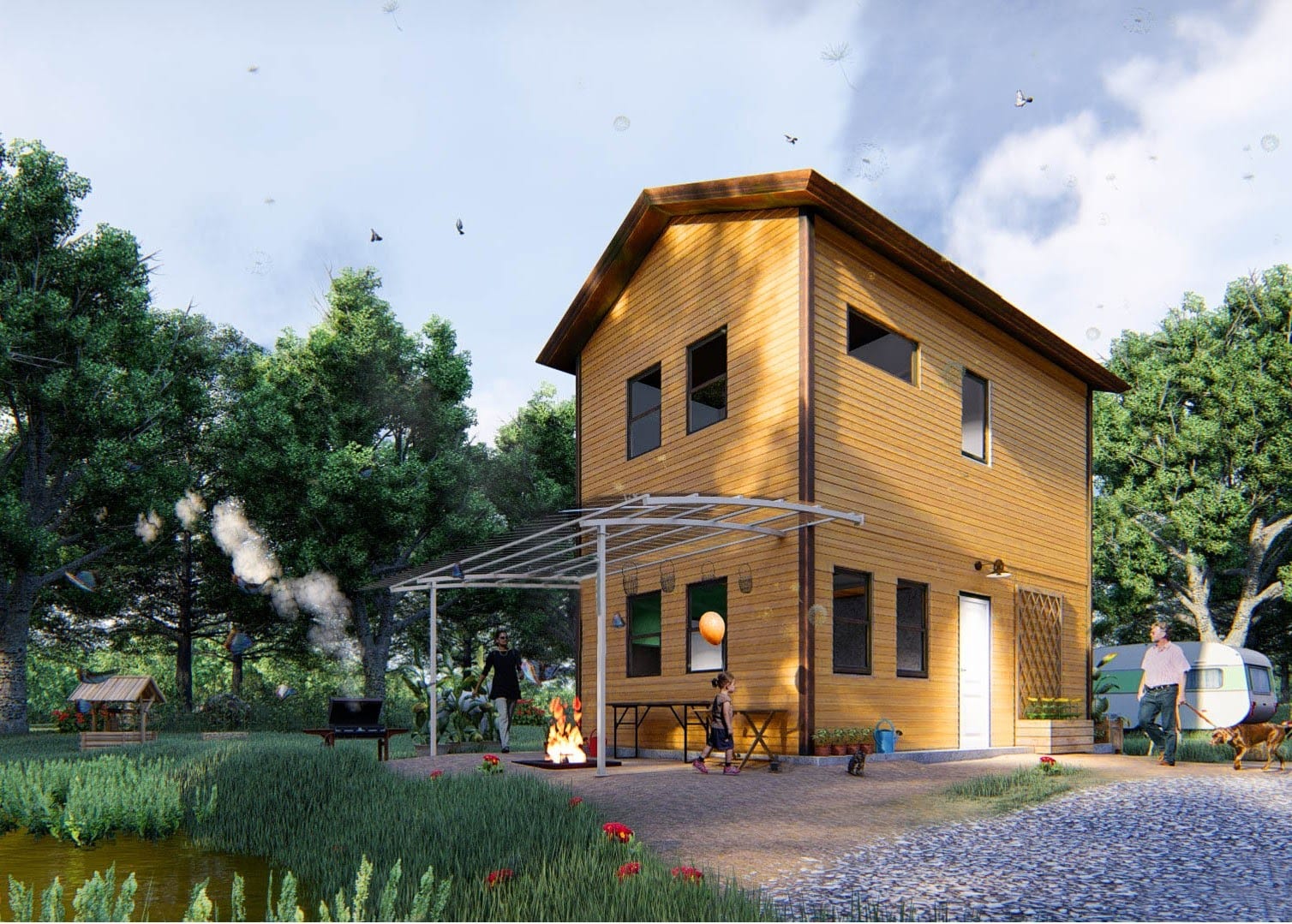
Accessory dwelling units (ADUs) are smaller, independent living spaces on the same lot as a primary home, and ADU Builders can construct them as an attached addition, a conversion within the home, or a separate structure like a backyard cottage or garage apartment (Local Housing Solutions’ ADU policy overview).

Many plans also include storage and outdoor privacy.
Texas has been adding people faster than any other state in recent years, and that growth is changing what many households need from their properties (The Texas Tribune’s coverage of Texas population growth). One recent benchmark: the U.S. Census Bureau estimates Texas added 391,243 residents from July 1, 2024 to July 1, 2025, bringing the state to 31,709,821 people (U.S. Census Bureau Vintage 2025 estimates press release).
For many homeowners, ADUs are about flexibility. A detached unit can support multigenerational living. An attached unit can create privacy for a family member. A conversion can turn existing space into a comfortable place for guests or work.
A major recent shift is Texas Senate Bill 673, which limits certain city and county restrictions on ADUs and sets a 60-day approve-or-deny timeline for many permit applications handled through ministerial review (Texas Legislature bill text for SB 673).
Even with statewide limits, your project still depends on local zoning and building rules. Setbacks, height limits, floodplain standards, parking, and utility requirements can vary by community. Rules vary. Put another way: statewide rules set the floor, and local details shape what fits your lot.
Some cities are updating land development rules to allow more housing options on existing neighborhoods. Austin’s HOME amendments, for example, aim to add more housing types and increase supply within areas zoned for single-family homes (City of Austin HOME Amendments overview).
You do not need to live in Austin to learn from this. When rules shift, the changes show up in what can be permitted on a typical residential lot and how a city processes reviews.
These early checks prevent the most rework later:
If you’re unsure where to start, begin with your city or county planning page before you finalize a layout.
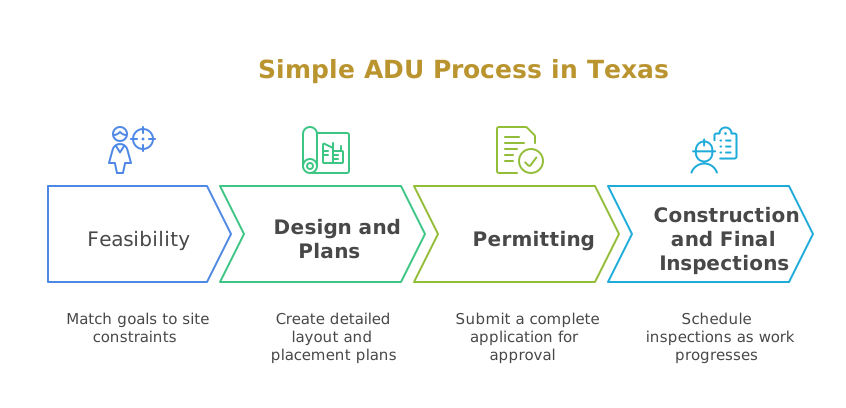
A clear process helps from the first sketch to the final inspection.
Match your goals to your site: buildable area, access, utilities, and the unit type that fits.
Plans should show the layout, the lot placement, and the key details reviewers and inspectors will look for.
Permitting is easier when your application is complete. Gather what your jurisdiction asks for, then submit as a clean package.
Schedule inspections as work is completed. Staying aligned with approved plans helps reduce surprises.
An ADU is a small home, not a small decision. The right team can help confirm what your site allows and manage the build with clear steps.
If you’re thinking about an ADU and want clear next steps, our team can help you move from “is this possible?” to a plan that fits your property and your goals. Book our ADU Builders to talk through your lot and the simplest path to an approved build.
An ADU is a separate living space on the same lot as your main home, built for independent day-to-day living. It may be attached, detached, or created from existing space, depending on what your property allows.
State law limits certain local barriers, but zoning and building rules still apply locally. Always confirm what your city or county allows on your specific lot.
Sometimes. Private restrictions like deed rules and HOA guidelines can apply even when local zoning would allow the project.
Timelines vary by jurisdiction and by the quality of the application. A complete, code-ready submittal is one of the best ways to reduce back-and-forth.
Start with zoning and setbacks, then confirm utilities and any private restrictions. Once those are clear, you can choose the unit type and begin design.
Experience a design process that’s truly personalized. At Small House Solutions, our custom design packages are crafted to fit your specific project requirements. We offer a wide range of 3D modeling and rendering services, allowing you to visualize your new space from every angle before construction even begins.
Our comprehensive, full-service approach ensures a seamless journey—from your initial vision, through the design and build phases, to the final development. We manage every aspect of your project under one roof, providing you with peace of mind and a single point of contact. Ready to bring your dream space to life?
Let’s start designing, Today!

Real feedback from our valued customers


August 2023

Amazing company all around. Hands down some of the best contractors I have ever worked with. High quality top tier construction, incredible management and subs.

February 2024
The project was done ahead of schedule and exceeds our expectations. I have already recommended this company to friends and will use them again whenever I have a construction project.

August 2023
The team was so responsive and just overall great partners. If you are looking to add more living space to your property, highly recommend!
Another factor that is often overlooked is the weight of the structure. Especially for a tiny house trailer, how much everything weighs is a matter of more significant importance than you might have thought.

Are you thinking of constructing an ADU on your lot or renting one? Here’s everything you, as the homeowner or tenant, need to know about the construction of these types of small house units, the costs, and the benefits.
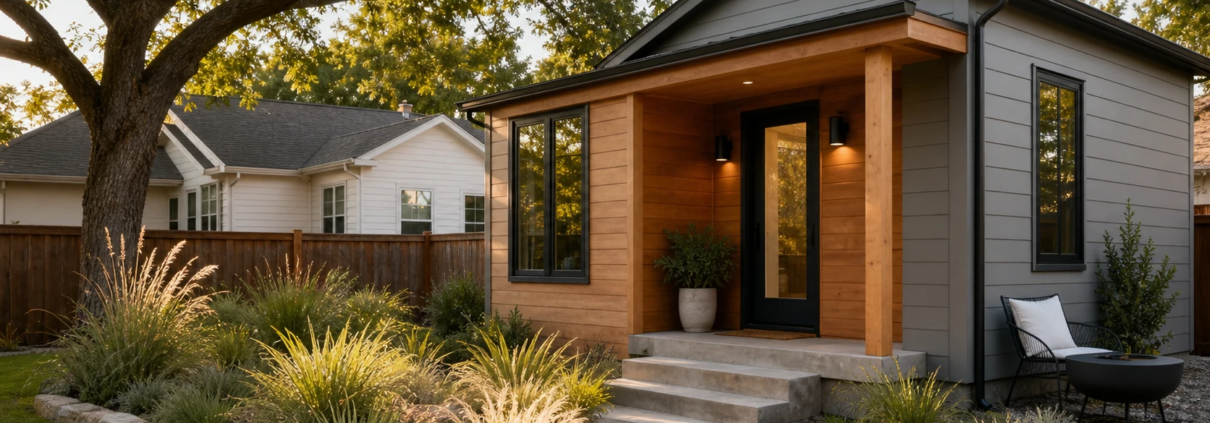
Fortunately, when it comes to ADU, Texas is more open to it than other areas. However, there are only designated zones where ADUs are permitted to be constructed, even in this state. At the same time, strict regulations must be followed regarding this.
Custom Home Builder Austin
Custom Home Builder Bastrop County TX
Custom Home Builder Bell County TX
Custom Home Builder Bexar County
Custom Home Builder Blanco TX
Custom Home Builder Boerne TX
Custom Home Builder Burnet TX
Custom Home Builder Cedar Park TX
Custom Home Builder Caldwell County
Custom Home Builder in Cibolo TX
Custom Home Builder Comal County TX
Custom Home Builder Converse TX
Custom Home Builder Copperas Cove TX
Custom Home Builder Fredericksburg TX
Custom Home Builder Georgetown TX
Custom Home Builder Guadalupe County TX
Custom Home Builder Harker Heights TX
Custom Home Builder Hays County TX
Custom Home Builder Houston
Custom Home Builder Hutto TX
Custom Home Builder Kendall County TX
Custom Home Builder Killeen
Custom Home Builder Kyle TX
Custom Home Builder Lakeway
Custom Home Builder Leander TX
Custom Home Builder Leon Valley TX
Custom Home Builder Live Oak TX
Custom Home Builder Lockhart TX
Custom Home Builder McLennan County TX
Custom Home Builder New Braunfels
Custom Home Builder Pflugerville TX
Custom Home Builder San Antonio
Custom Home Builder San Marcos TX
Custom Home Builder Seguin TX
Custom Home Builder Schertz TX
Custom Home Builder Taylor TX
Custom Home Builder TX
Custom Home Builder Universal City
Lake Travis Texas Custom Home Builder
Custom Home Builder Waco TX
Custom Home Builder Williamson County TX
Custom Home Builder Round Rock TX
Wonderful Projects of Small House Solutions


 Small Houses: Are They Good Investments?
Free project-fit consultation
Get clear next steps on project fit, budget range, site questions, and whether Small House Solutions is the right design-build partner for your property.
Choose the option that is easiest for you. Either consultation can help confirm whether your scope and budget are aligned before deeper planning begins.
As you prepare for this project, please bear in mind that “small” does not equal “cheap”. We are not a low-budget builder.
Our project contracts range from $240 to $500+ per square foot, with cost decreasing as square footage increases. Due to current market conditions, we cannot offer construction contract pricing under $150,000, with the exception being accessory structures with no plumbing (i.e.: backyard office). If your specified budget is not realistic for your project, we will respectfully cancel your consultation with an email response as to why.
We look forward to speaking with you.


