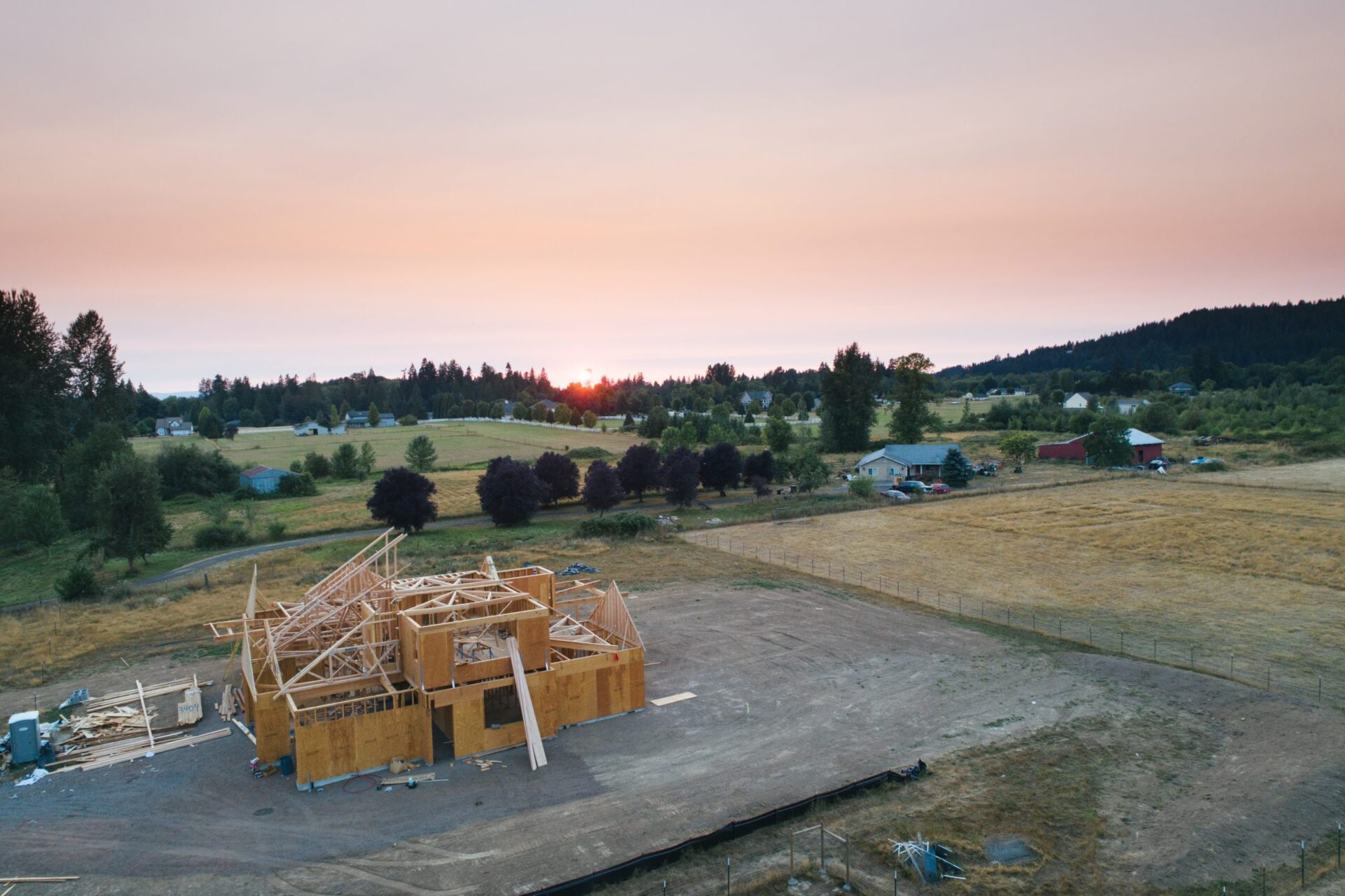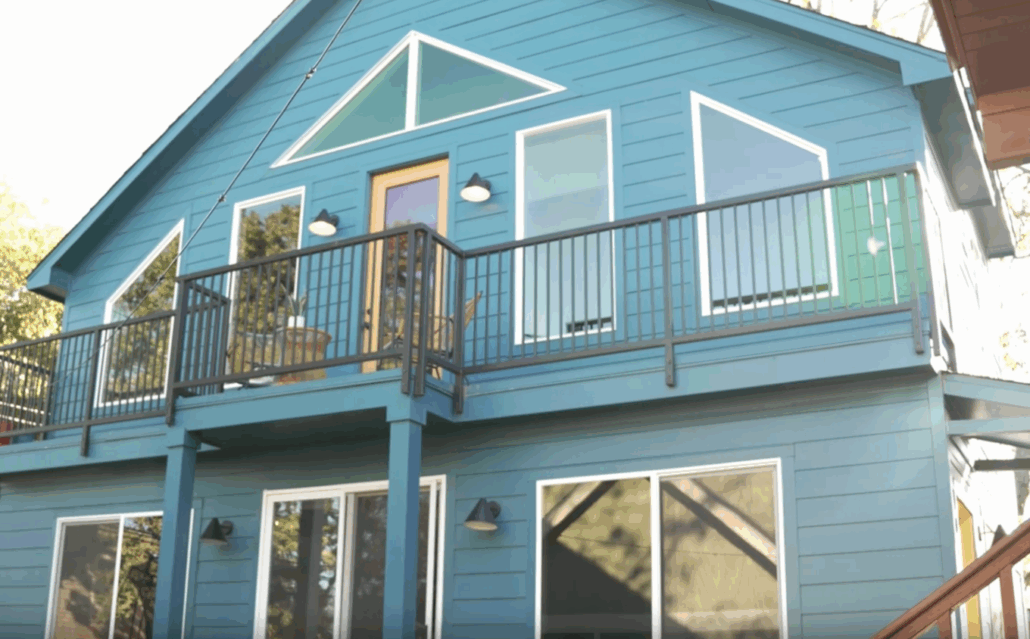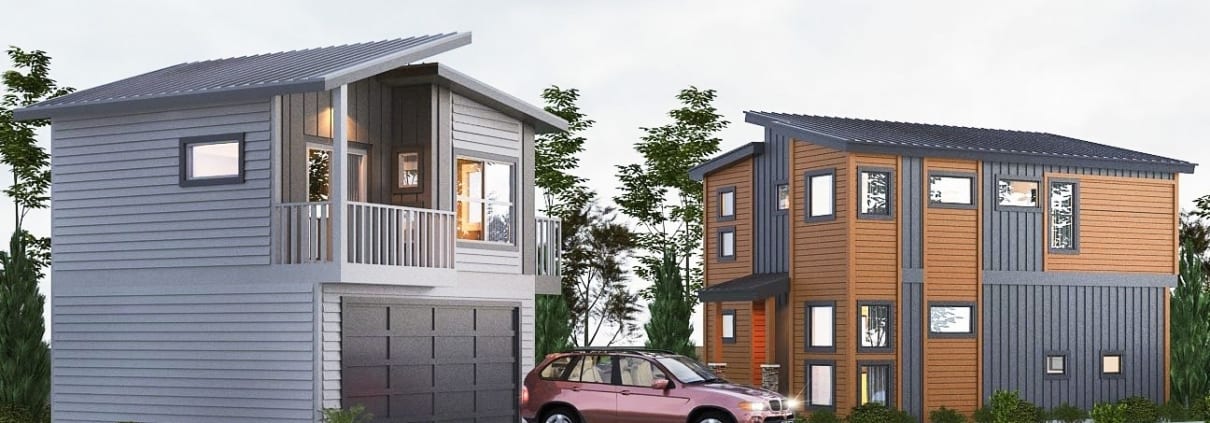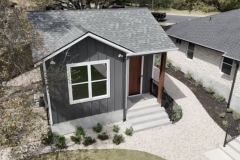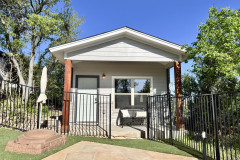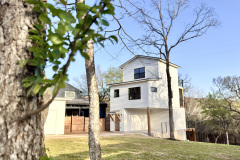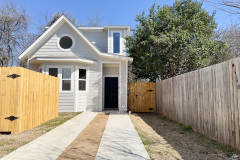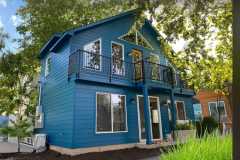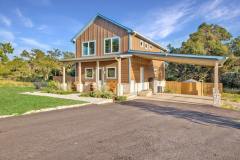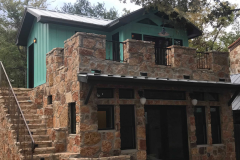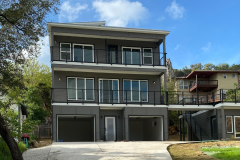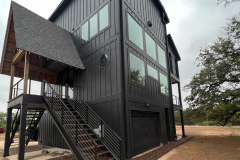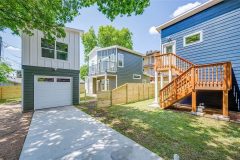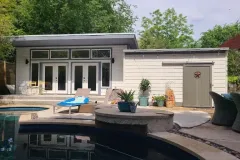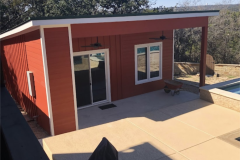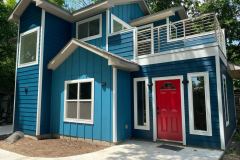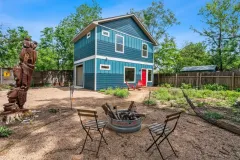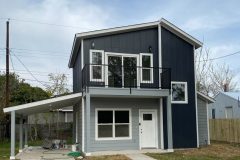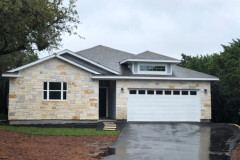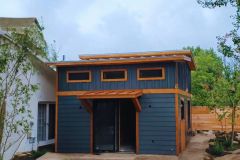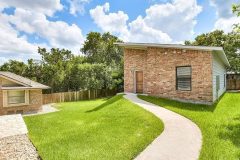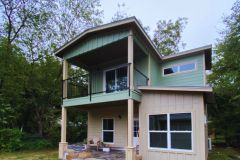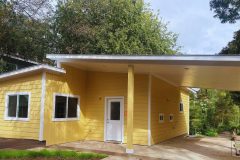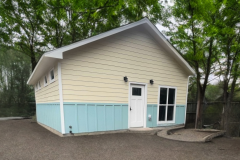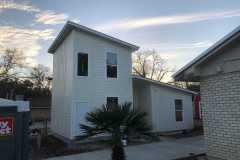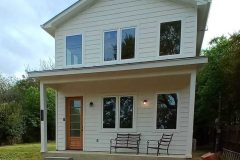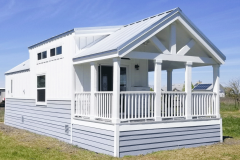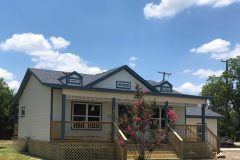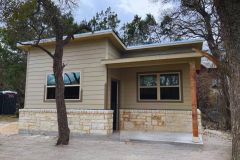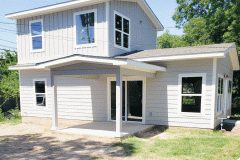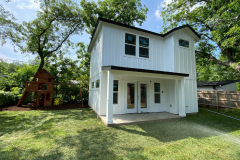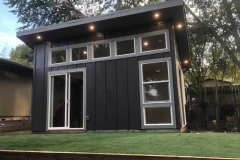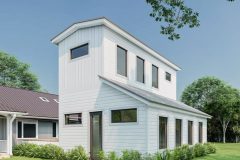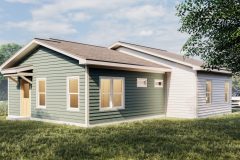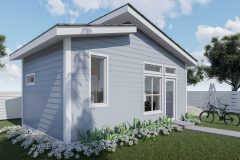
Most budgets move because the scope changes, not because one line item is a little higher or lower. A guide from Money explains that scope can shift based on size, design, location, permitting, and utility connections.
Site conditions and prep work
Start with the ground and the path to the build area. Ask:
- Is the build area flat, or does it need grading and drainage work?
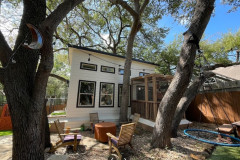
- Are there large trees, easements, or tight access points to work around?
- Where will materials be staged, and how will crews reach the site?
Utilities and connections
Utility scope is a common place for surprises. Ask early:
- Where will water, sewer, and electric lines tie in?
- Will any existing service need an upgrade to support the new unit?
- Will the ADU share systems with the main home, or have separate runs?
Design choices that change complexity
Focus on decisions that add complexity:
- How many rooms do you need, and how much storage?
- Do you want a full kitchen, a compact kitchenette, or something in between?
- Do you need extra sound control, privacy, or accessibility features?
Permits, reviews, and required documents
Permitting affects effort, schedule, and coordination. The City of Austin lists steps such as verifying the property can support an additional dwelling unit, requesting an address, submitting required documents, and moving through plan review.
Timeline and scope changes
A steady plan helps protect your budget. Keep decisions organized, confirm selections early, and minimize midstream changes once construction begins.