Why timing matters on pour day
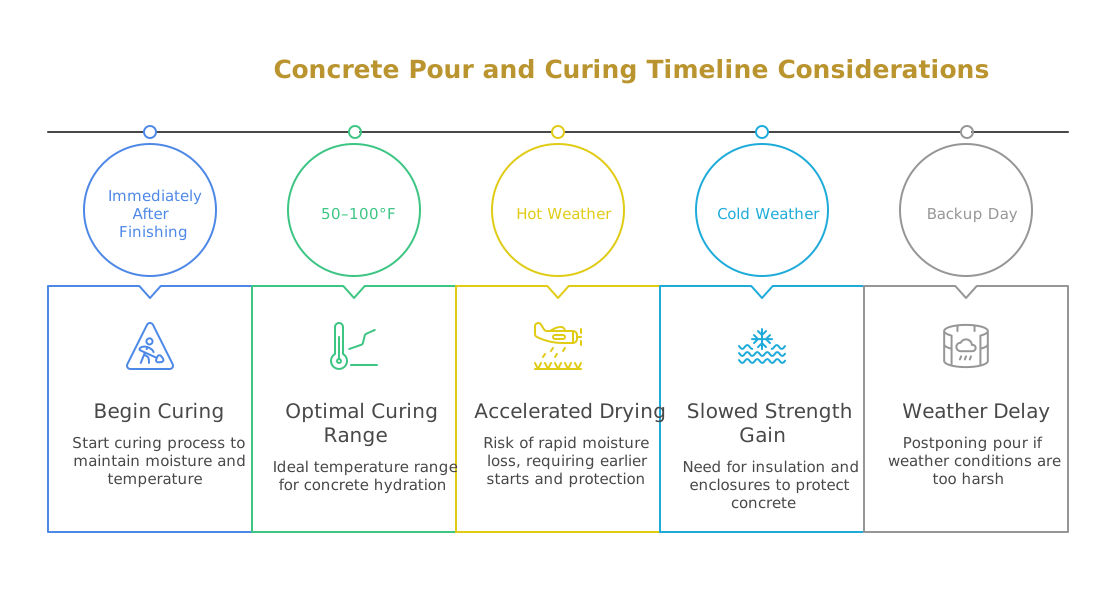
Concrete is a critical checkpoint because the schedule can’t move to framing until concrete reaches key strength and curing needs are met. The Michigan Concrete Association describes curing as the action taken immediately after finishing to maintain moisture and temperature so hydration can continue, and it notes a typical curing temperature range of 50–100°F and guidance to begin curing immediately following finishing (Michigan Concrete Association).
That matters for your timeline: if the weather pushes you outside safe curing conditions, you’re not just delaying a pour—you’re delaying the next trade.
Hot weather risks and the schedule impact
Hot, sunny, windy days can accelerate moisture loss from fresh concrete. Crews may tighten the schedule with earlier starts and may need extra protection steps to keep the surface from drying too fast. When the day is too harsh, it can be smarter to shift the pour to a backup day rather than rush and risk quality problems that create rework later.
Cold snaps and overnight lows
Even in Texas, sudden cold snaps happen. Cold conditions can slow strength gain and trigger extra protection steps (like insulation blankets or enclosures). Those steps take time and can add waiting days before the next phase can safely begin.
“Garage conversion” note
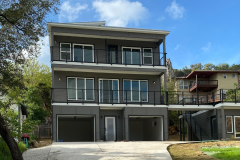
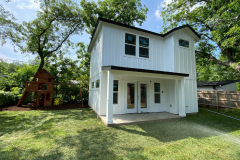
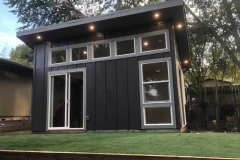
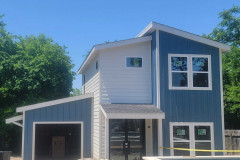
Garage conversions can reduce weather exposure in the early structure phase because you’re working within an existing shell. But weather can still affect any new footings, patch pours, exterior walkways, or grading—so the plan still needs a weather buffer around concrete work.